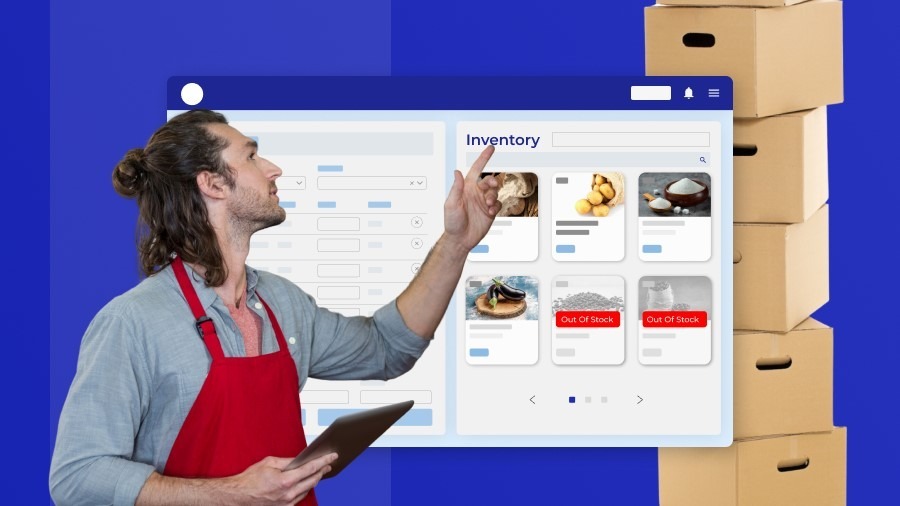
The Ultimate Guide to Restaurant Inventory Management
The Ultimate Guide to Restaurant Inventory Management
Running a successful restaurant is not just about great food and service — it’s also about controlling costs and maintaining efficiency behind the scenes. One of the most critical yet often overlooked aspects of restaurant operations is inventory management. Poor inventory control can lead to food wastage, stock shortages, cash flow issues, and reduced profits.
This ultimate guide will help you understand what restaurant inventory management is, why it matters, and how to manage it effectively using modern restaurant software.
What Is Restaurant Inventory Management?
Restaurant inventory management is the process of tracking, ordering, storing, and using ingredients and supplies required to run daily operations. This includes raw materials like vegetables, meat, spices, beverages, packaging materials, and even non-food items.
Effective inventory management ensures that:
- You always have the right ingredients in stock
- Food costs are under control
- Waste and pilferage are minimized
- Kitchen operations run smoothly
Why Inventory Management Is Crucial for Restaurants
Inventory typically accounts for 25–40% of a restaurant’s total costs. Without proper tracking, these costs can quickly spiral out of control.
Key reasons inventory management is essential:
- Prevents overstocking and understocking
- Reduces food spoilage and wastage
- Improves cash flow
- Helps maintain consistent food quality
- Supports accurate pricing and profitability
Common Inventory Challenges Faced by Restaurants
Many restaurants struggle with inventory due to manual processes or lack of visibility. Common challenges include:
- Manual stock counting errors
- Unnoticed ingredient shortages during peak hours
- Expired or spoiled ingredients
- Theft or unrecorded usage
- No link between sales and inventory
- Difficulty tracking multiple outlets
These issues can directly impact customer satisfaction and profitability.
Types of Restaurant Inventory
Understanding what you track is the first step to managing inventory properly.
- Raw Ingredients
Vegetables, fruits, meat, seafood, dairy, grains, spices, oils.
- Prepared Items
Sauces, marinades, dough, pre-prepared food items.
- Beverages
Soft drinks, alcohol, juices, syrups.
- Packaging Supplies
Takeaway containers, bags, cups, napkins.
- Non-Food Items
Cleaning supplies, kitchen tools, disposables.
Best Practices for Restaurant Inventory Management
- Track Inventory in Real Time
Using digital inventory systems ensures stock levels update automatically whenever an item is sold or used.
- Follow FIFO Method
First In, First Out ensures older stock is used before newer stock, reducing spoilage.
- Set Minimum Stock Levels
Automated alerts help you reorder ingredients before they run out.
- Conduct Regular Stock Audits
Daily or weekly checks help identify discrepancies early.
- Standardize Recipes
Recipe-based inventory deduction ensures accurate usage tracking per dish.
- Train Staff
Proper handling, portion control, and stock recording reduce wastage and errors.
Role of Restaurant Software in Inventory Management
Modern restaurant billing and POS software like Restrora makes inventory management effortless.
Key software features include:
- Automatic stock deduction with every sale
- Real-time inventory dashboard
- Low-stock alerts and purchase planning
- Ingredient-level tracking
- Waste and variance reports
- Integration with billing, kitchen, and reporting
By eliminating manual processes, software improves accuracy and saves time.
Benefits of Digital Inventory Management
Restaurants using digital inventory systems experience:
- Up to 30% reduction in food wastage
- Better cost control and higher margins
- Faster kitchen operations
- Improved purchase planning
- Reduced theft and pilferage
- Data-driven menu optimization
Inventory Management for Multi-Outlet Restaurants
For growing restaurant brands, centralized inventory control is essential.
Digital systems allow you to:
- Track stock across multiple outlets
- Compare consumption patterns
- Control centralized purchasing
- Standardize recipes and costs
This ensures consistency and scalability.
Inventory Reports Every Restaurant Should Track
- Stock Summary Report
- Consumption Report
- Wastage Report
- Purchase & Vendor Report
- Cost of Goods Sold (COGS)
- Variance & Audit Report
These reports provide insights into performance and profitability.
Final Thoughts
Restaurant inventory management is no longer optional — it’s a necessity for sustainable growth. With rising food costs and competition, restaurants must operate smarter, not harder.
By adopting a digital inventory management system integrated with billing and kitchen operations, restaurants can reduce waste, control costs, and deliver consistent quality to customers.
Smart inventory management is the foundation of a profitable restaurant.